Wisdom Teeth Removal Oxnard CA: Helpful Advice for Caregivers
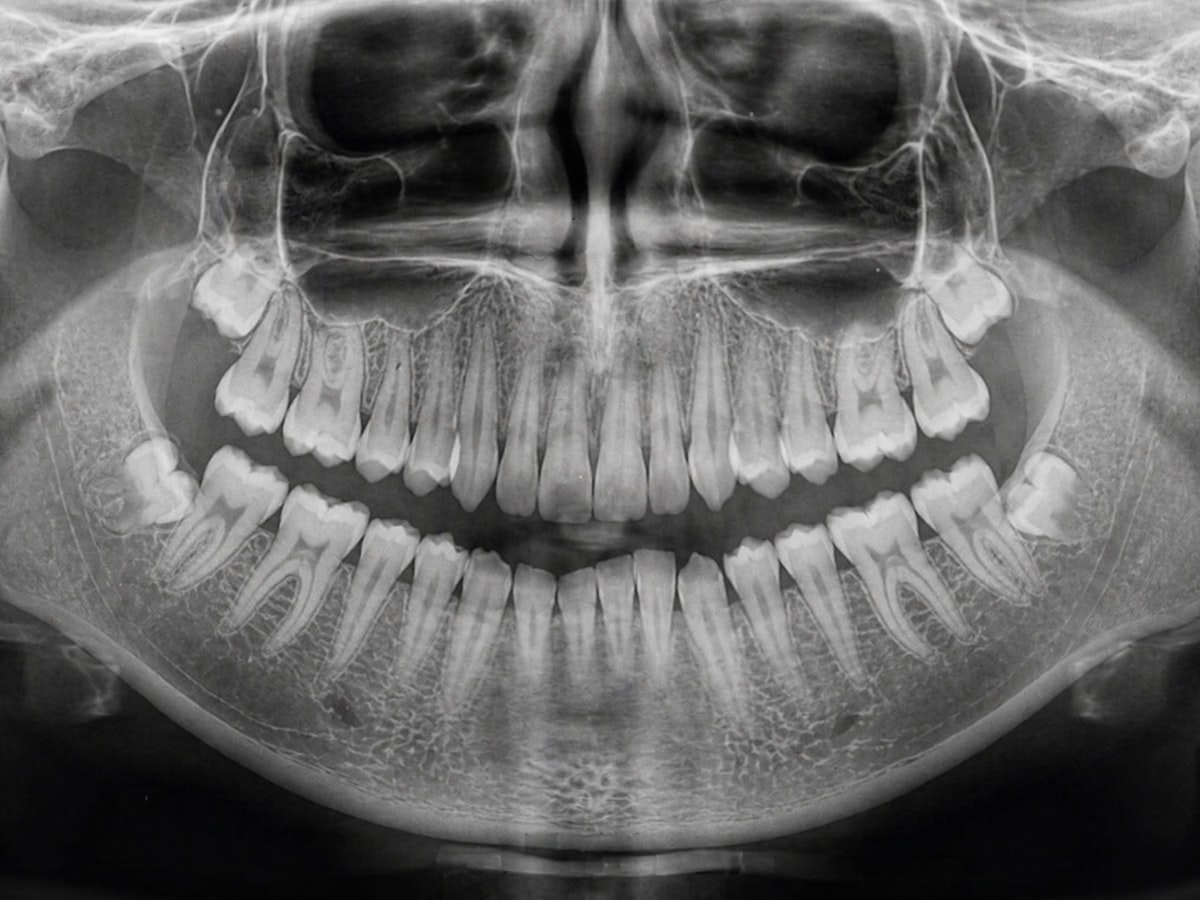
When someone in your family is scheduled for wisdom teeth removal, most of the planning falls on the caregiver. The patient usually remembers the appointment time, signs the paperwork, and hopes for the best. You are the one who handles the ride home, the medication timing, the ice packs, the soft foods, and the quiet judgment calls that matter once the numbing wears off.
That role is easy to underestimate. Wisdom tooth recovery is often straightforward, but the first 24 to 72 hours can feel hectic, especially if the patient is a teenager, a young adult living at home, or an anxious adult who does not do well with dental procedures. If you are preparing for Wisdom Teeth Removal Oxnard CA, it helps to think less like a passenger and more like a calm coordinator. A little preparation reduces stress, cuts down on unnecessary pharmacy runs, and makes it easier to spot when recovery is normal and when it needs a phone call.
What caregivers should expect on procedure day
Most wisdom tooth removals are outpatient procedures. That means the patient comes in, has the extraction, spends a short time in recovery, and goes home the same day. The exact experience varies. Some people have simple extractions with local anesthesia. Others need sedation because the teeth are impacted, positioned awkwardly, or close to nerves and sinus structures. The surgeon will explain the approach ahead of time, but caregivers should still assume the patient may be groggy, emotional, or less coordinated than usual afterward.
It is common for patients to say very little in the car on the way home, then become more talkative once they settle in. It is also common for them to underestimate how numb they are. One of the most useful things a caregiver can do in that first hour is slow everything down. Walking from the car, getting to the couch or bed, changing gauze, and taking the first sip of water all go better when no one is rushing.
If the office uses sedation, plan on the patient being out of commission for the rest of the day. Even people who seem alert can have fuzzy memory, poor balance, and delayed reactions. They should not drive, cook, sign important documents, or make any decisions that require good judgment. Caregivers sometimes focus so much on pain that they forget sedation itself can shape the day. That is often what creates the biggest need for supervision, especially during the first several hours at home.
Before you leave for the appointment
The smoothest recoveries usually start with a very ordinary kind of preparation. Set up a recovery spot before you ever leave the house. A recliner or a bed propped with pillows works well because keeping the head elevated can help with swelling and oozing. Put a towel over the pillow. Even patients who do everything right may drool a little blood-tinted saliva at first, and nobody feels better when they are worrying about staining sheets.
Have medications ready before the appointment if the surgeon has already sent prescriptions. If not, know which pharmacy you will use and who will pick them up. This sounds minor until you are standing in line with a sleepy patient waiting in the car and the pain medicine is not ready.
Soft food matters more than people think. Hunger and dehydration make recovery feel harder than it needs to. Plain yogurt, applesauce, pudding, broth, mashed potatoes, oatmeal once the patient is ready, scrambled eggs, smoothies eaten with a spoon if advised, and lukewarm soups are practical choices. Temperature matters too. Very hot foods can increase bleeding early on, and very spicy foods can irritate the area.
A simple home setup makes the first evening easier:
- clean gauze pads
- prescribed and over the counter medications, used only as directed by the surgeon
- ice packs or soft gel packs
- bottled water or a large cup that is easy to sip from
- soft foods prepared in advance
That is enough for most households. You do not need a complicated recovery station worthy of a medical drama. You need a calm place, basic supplies, and a plan for the first night.
The first few hours at home
Once the patient is home, the main goals are bleeding control, hydration, pain management, and rest. A small amount of blood mixed with saliva can look dramatic. Caregivers often assume something is wrong because the gauze is pink or red, but mild oozing is common during the first day. Bright red bleeding that quickly soaks gauze again and again is more concerning, but a little staining is expected.
Gauze works best when https://www.google.com/maps?cid=11644345336093784457 the patient bites down with steady pressure rather than talking, chewing on it, or checking it every few minutes. That is where caregivers help. Remind them gently and keep the environment quiet. A patient who is texting friends, laughing, or trying to eat too soon usually restarts bleeding.
Hydration deserves special attention. Many patients do not want to drink because their mouth feels strange, they are sleepy, or swallowing seems awkward. Small sips are fine. The goal is consistency, not volume all at once. Dry lips, headache, fatigue, and nausea often get worse when the patient has not had enough fluid.
Pain control usually works best when medications are taken on schedule early, rather than waiting until discomfort becomes severe. The specific medication plan should always come from the oral surgeon. Some patients receive prescription pain medicine, some are told to use over the counter options, and many have a combination plan based on medical history and the complexity of the extraction. As a caregiver, your job is not to improvise. It is to read the instructions carefully, note the timing, and avoid accidental double dosing.
Swelling, stiffness, and what “normal” usually looks like
The second day is often harder than the first. That surprises families. Procedure day can seem manageable because the mouth is still numb and the patient is lying low. The next morning, swelling is more visible, the jaw feels tight, and the patient may look puffy enough to worry everyone in the house.
That pattern is common. Swelling often peaks around 48 to 72 hours after surgery before it starts to improve. Mild bruising can also show up, especially in the cheeks or along the jawline. Some patients open their mouths only partway for a few days. That stiffness can happen even after an uncomplicated extraction because the jaw muscles have been held open during the procedure and the surrounding tissues are inflamed.
Ice packs are usually most helpful early, especially during the first day. Later, depending on the surgeon’s instructions, warmth may feel better for stiffness. Caregivers often ask whether one side being more swollen means a problem. Not necessarily. Wisdom teeth are rarely identical from side to side. One tooth may have been more deeply impacted or harder to remove, so one cheek may lag behind the other.
The more helpful question is not whether the patient looks swollen, but whether the swelling is trending in the right direction after the first few days. Recovery does not move in a perfect straight line, but it should gradually settle.
Food, hunger, and the mistake people make with straws
Most patients are ready for very soft foods once bleeding is controlled and the nausea risk is low. This is where common sense matters. A milkshake can sound like a perfect recovery food, but not if the patient drinks it through a straw. Suction can disturb the healing clot in the extraction site, which raises the risk of dry socket. That is one of the better-known complications after wisdom tooth removal, and it is as unpleasant as patients describe. It tends to produce deep, throbbing pain that can radiate to the ear or jaw, often a few days after the extraction.
Caregivers can prevent a lot of trouble by staying alert to habits. Straws, vigorous spitting, smoking, vaping, forceful rinsing, and poking around the sockets all work against healing. People do these things absentmindedly. Teenagers especially need reminders because feeling “mostly fine” on day two often leads them to believe the rules are optional.
Appetite varies. Some people eat a fair amount the same day, while others want almost nothing until the next morning. As long as the patient is drinking and able to take medications as directed, a lighter appetite for a day is usually manageable. Still, try to get some calories in. Pain medicine on an empty stomach can trigger nausea, and hunger can make recovery feel harsher than it is.
Oral hygiene without overdoing it
Families are often split into two camps after oral surgery. One side is afraid to touch anything. The other wants the patient brushing and rinsing aggressively before the first nap. Neither approach helps.
The mouth should not be scrubbed like a dirty pan, but it also should not be neglected. Follow the surgeon’s written instructions closely. In many cases, gentle brushing away from the extraction sites can resume fairly soon, and careful rinsing may be introduced after the first day. If the office provides a syringe for irrigation later in recovery, use it only when recommended. Starting too early can irritate the area.
This is one of those places where experience teaches restraint. Families sometimes think every bit of white material in a healing socket is food debris that needs to be removed. Often it is normal healing tissue. Digging at it with a cotton swab or toothbrush is a reliable way to create pain and delay progress.
Bad breath during early recovery is also common and does not automatically signal infection. A healing mouth can taste unpleasant. The key is whether that bad taste is accompanied by worsening swelling, fever, increasing pain after initial improvement, or foul drainage. Those patterns deserve a call.
When a caregiver should pick up the phone
A good caregiver does not panic over every uncomfortable moment, but also does not ignore signs that recovery is going off track. The surgeon’s office would rather hear from you early than after a preventable problem has dragged on for two days.
Call the dental surgeon or seek urgent guidance if you notice:
- bleeding that remains heavy despite firm gauze pressure as directed
- fever, chills, or worsening swelling after the initial peak
- pain that suddenly intensifies several days later, especially with a foul taste or odor
- repeated vomiting, inability to keep fluids down, or signs of dehydration
- trouble breathing, swallowing, or severe medication reaction
That final point matters. Difficulty breathing is not a wait-and-see issue. It calls for immediate medical attention.
Dry socket, infection, and the gray area in between
Caregivers hear the term dry socket so often that every complaint gets filtered through it. The patient says their jaw hurts on day three, and suddenly everyone is diagnosing complications from the kitchen table. A more useful approach is to look at patterns.
Normal surgical pain tends to be worst early, then gradually improve. Dry socket often shows up after a brief period of doing fairly well, followed by a deeper, more focused pain that can become intense and persistent. It may radiate toward the ear, temple, or neck. Some patients describe it as an empty, exposed feeling in the socket. Infection can overlap with some of those symptoms, but often brings a stronger sense of worsening swelling, warmth, fever, or drainage.
Caregivers are not expected to sort out every possibility perfectly. The important thing is noticing when the story changes. If the patient was improving and now looks distinctly worse, it is worth calling. If they were never very comfortable but are still steadily moving in the right direction, careful home care may be enough.
Managing the emotional side of recovery
Not every challenge is physical. Adolescents can be irritable, embarrassed by swelling, and convinced that one difficult evening means something is seriously wrong. Adults can be just as uneasy, though they may hide it better. Sedation can leave some patients tearful or unusually talkative. Pain medication can make others nauseated or foggy enough that they feel frustrated by how dependent they are.
The caregiver’s tone matters more than people realize. Calm, simple reassurance usually works better than too much discussion. Instead of asking every 20 minutes, “Are you okay?” try practical check-ins. Ask whether they want fresh gauze, more water, or another pillow. Recovery feels less dramatic when the support is concrete.
I have seen families make the day harder by turning it into a household event. Several relatives come by, everybody wants to look in the patient’s mouth, and the person recovering ends up talking far more than they should. A quieter environment almost always helps. Patients rest better, bleed less, and are less tempted to act normal too soon.
Returning to school, work, sports, and routine
The timeline here depends on the complexity of the extraction and the patient’s baseline health. Some people bounce back quickly and feel ready for school or desk work within a few days. Others need longer, especially if all four wisdom teeth were impacted or if swelling is substantial.
Caregivers should be cautious about activities that raise blood pressure or involve heavy exertion. Even a patient who feels better can trigger renewed throbbing or bleeding if they jump back into workouts too soon. Sports create another issue, especially contact sports or any activity where a hit to the jaw is possible. It is worth asking the surgeon for a realistic return date instead of relying on guesswork.
For students, the hardest part is often less about pain and more about fatigue, talking, and eating away from home. A teenager may insist they are ready for class, then come home wiped out after half a day because they had to speak, stay upright, and manage lunch while sore. Sometimes an extra day of rest pays off.
Adults returning to work face different trade-offs. Remote work may be possible sooner, but jobs that involve customer interaction, public speaking, or physical labor may require more recovery time. If prescription pain medication is still needed, that can also affect timing.
Special considerations for younger patients and busy households
In families with multiple children, the recovering patient can get less attention than they need simply because life keeps moving. School drop-offs, sports practice, and work schedules do not pause for oral surgery. If that sounds like your household, the fix is simple but important: assign one adult to be the lead caregiver for the first evening and overnight period if possible. Shared responsibility often turns into scattered responsibility.
Younger patients also do better when instructions are translated into plain speech. “Do not create suction in your mouth” means much less to a 15-year-old than “No straws, no spitting hard, and no vaping, because that can pull out the clot and make the pain much worse.” The goal is not to be stern. It is to be specific.
If the patient has anxiety, autism, sensory sensitivities, or a history of nausea after procedures, tell the surgical team ahead of time. These details change care plans. Offices that perform Wisdom Teeth Removal Oxnard CA regularly are used to these concerns and can often offer practical adjustments, whether that means clearer postoperative instructions, nausea management, or extra time for questions before discharge.
Choosing common sense over internet panic
The internet is excellent at turning routine recovery into a suspense story. A patient sees a white patch in the socket, reads three forum posts, and decides they have an exposed bone, infection, nerve injury, and permanent jaw damage by bedtime. Caregivers can protect recovery by being the filter.
Written instructions from the treating surgeon should carry more weight than random anecdotes online. So should direct calls to the office. Every extraction is a little different. The angle of the teeth, whether bone was removed, the patient’s age, medication history, and smoking status all shape the expected recovery. Generic advice can only go so far.
What works best at home is a blend of attentiveness and restraint. Watch the basics closely. Keep medications organized. Encourage fluids and soft foods. Protect the extraction sites from suction and irritation. Expect swelling and discomfort to be real, but temporary. When something clearly drifts outside the normal pattern, call.
Caregiving after wisdom tooth surgery is not glamorous, but it is useful in the most practical way. A steady adult in the room can mean the difference between a manageable recovery and an unnecessarily rough one. When families prepare well, the whole process tends to feel shorter, calmer, and far less intimidating than they feared the day before.
Oxnard Dentistry
1730 E Gonzales Rd
Oxnard, CA 93036, United States
Phone: +1 805-307-8731
FAQ About Wisdom Teeth Removal Oxnard CA
How much does it cost to get wisdom teeth removed in California?
Fees depend on tooth position, the number of extractions, imaging and anesthesia. Oxnard Dentistry can provide an individual estimate after examining your teeth. Ask for an itemized plan and confirm insurance benefits before scheduling.
Will insurance cover wisdom teeth removal?
Coverage and out-of-pocket costs vary by policy and the treatment required. Ask the dental office and your insurer to verify benefits, annual limits and any authorization requirements. A benefit estimate does not guarantee payment.
Is 30 too old to have wisdom teeth removed?
Age alone does not determine whether extraction is appropriate. A dentist evaluates symptoms, tooth position, oral health and medical history. Healthy, functional wisdom teeth may be monitored; teeth causing disease or other problems may need treatment.